
Rice and NASA iMETRO Dynamic Simulation Open-Source Space Robotics for Spacecraft Interiors
The iMETRO simulator matters because space robots need to be tested in tight, human-built interiors before they touch real spacecraft hardware.
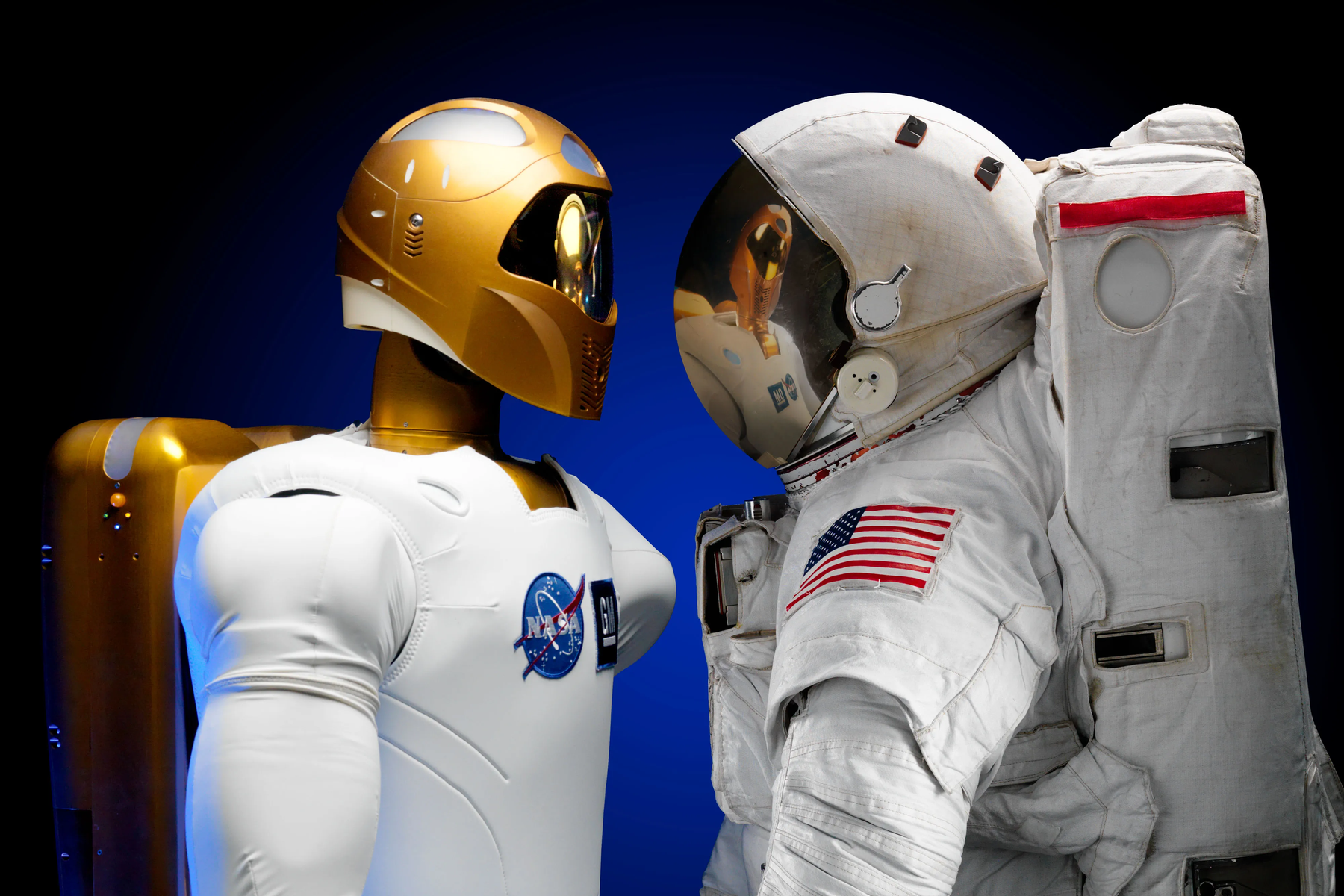
Rice University’s iMETRO simulator studies robots moving and manipulating inside spacecraft. This review covers model fidelity, reproducibility and hardware validation.
The post covers Rice University and NASA’s iMETRO Dynamic Simulation.
The simulator is framed around robots for spacecraft interiors and indoor habitats.
The strongest value is safer, repeatable testing before real hardware deployment.
Simulation results still need real-world validation.
Original X post
Open on XLoading the full X post…
What happened
The TechniaHQRobot post highlights Rice University and NASA’s iMETRO Dynamic Simulation as an open-source robotics simulator for spacecraft interiors. The core idea is to give researchers a digital environment before robots operate around real space hardware.
That matters because space interiors are tight, expensive and unforgiving. A robot that fails in a warehouse can be reset on the floor. A robot that fails inside a spacecraft can threaten hardware, mission time and crew safety.
Why it matters
Space robotics needs simulation because the real environment is hard to access. Researchers need to test navigation, contact, perception and manipulation around walls, handles, storage areas and human-designed constraints.
An open-source simulator can make that work more accessible. It lets more teams build, test and compare approaches without needing direct access to a physical spacecraft mockup.
Technical details
- Robot / Project
- iMETRO Dynamic Simulation
- Company / Lab
- Rice University and NASA Johnson Space Center
- Country
- United States
- Main task
- simulation for robots inside spacecraft and indoor space habitats
- Hardware details
- software simulation environment; exact robot hardware depends on the platform being simulated
- Sensors
- simulated sensors depend on the model configuration
- Mobility
- simulation can support indoor robotic systems; exact platforms should be checked in project documentation
- Hands / gripper
- platform-specific
- Deployment environment
- spacecraft interiors, space habitats and lab digital twins
- Autonomy level
- simulation and development tool, not a deployed robot by itself
- Confirmed limitations
- simulation cannot replace physical validation in real spacecraft-like conditions
Technical details
The post frames iMETRO as a dynamic simulation environment tied to remote space robotics. That points to physics, robot motion, indoor structures and repeatable test scenarios as the important layers.
The simulator itself should not be confused with an operational robot. It is a development environment for testing robot behavior, control policies and task planning before hardware is placed in harder conditions.
Use cases
Likely use cases include training indoor space robots, testing navigation inside habitat-like structures, evaluating teleoperation workflows, preparing manipulation tasks and generating repeatable benchmark scenarios.
The strongest early users are researchers, NASA teams and robotics labs working on intravehicular robots, not consumer developers looking for a general robot simulator.
Limitations
Every simulator has a reality gap. Contact, cable behavior, lighting, sensor noise, microgravity effects and human movement can differ from the model. That means simulation can reduce risk but cannot remove physical testing.
The useful standard is whether iMETRO helps teams catch failures earlier and transfer lessons to hardware more safely.
What to watch next
Watch for public repositories, supported robot models, physics engine details, benchmark tasks and examples of research groups using the simulator.
The strongest signal would be a paper or project page showing simulation-to-hardware transfer inside a NASA or Rice test environment.
Related robotics context
iMETRO sits beside NASA’s long history with Robonaut, Valkyrie and remote operation research. It also connects to the wider robotics trend before robots can work in dangerous or expensive environments, they need better digital testbeds.
Explore the technical topic
Share this article
Share the current TechniaHQRobot article page.
Sources
By @techniahqrobot
About the publication · Sources and editorial policy · Report a correction