
Introduction
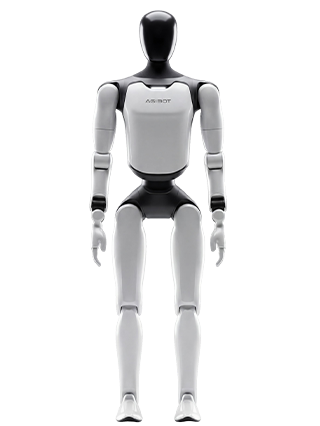
AgiBot and Chimelong Group opened a large embodied AI theme-park deployment at Hengqin Chimelong Spaceship Park on September 24. The companies say more than 300 AgiBot robots will work routinely across more than 100 interaction points.
The deployment spans performances, education, navigation, retail, hotel service, visitor companionship and sports. That mix means a visitor can meet robots several times during one stay rather than at a single attraction. A guest might watch a performance, ask for directions later, then encounter another robot in a hotel or learning activity. The launch also included delivery of AgiBot's 20,000th embodied AI robot, an A3 Ultra, to Chimelong.
Information verified from official sources available as of September 25, 2026.
Original X post
Open on XLoading the full X post…
Metrics that would make the 300+ robot deployment easier to evaluate
| Metric | Suggested denominator | What it can reveal |
|---|---|---|
| Task completion | Completed tasks / assigned tasks | How often a robot finishes the defined job |
| Human intervention | Interventions / robot-hour | How much staff support routine operation requires |
| Service availability | Active service time / scheduled time | Whether charging, faults and maintenance reduce coverage |
| Recovery time | Minutes from fault to resumed service | How costly failures are during operation |
| Navigation cancellation | Cancelled guided trips / started trips | How crowds and localization affect mobility |
| Safety events | Events / 1,000 robot-hours | A normalized view of stops or contact incidents |
These are TechniaHQRobot evaluation suggestions. AgiBot and Chimelong have not published these figures.
The deployment covers seven different operating contexts
IT Home reports seven groups of use cases: entertainment performances, science education, navigation and guidance, retail service, visitor companionship, hotel work and sports. Navigation robots are described as handling destination queries, route planning, autonomous guiding and touring explanations.
Education robots use vision, speech understanding and multimodal interaction for questions, games and explanations. Retail and hotel robots are described as greeting visitors, answering product questions and providing information. These tasks have different failure modes, so a single fleet-wide success percentage would hide useful detail.
The public count refers to AgiBot's full robot lineup. It should not be read as 300 humanoid robots of one model. A deployment report should identify each body type, task and scheduled operating window before comparing results.
Everyday visitor questions make the deployment easy to understand
Visitor guidance caught our attention because the interaction can begin with an ordinary question: where do I go next? AGIBOT says robots at the park can answer questions, introduce exhibits, provide directions and guide visitors through designated areas. That gives guests a practical reason to approach a robot during a normal day at the resort.
The same stay can include performances, science education, companion interactions, retail and hotel services. Seeing robots appear in different parts of the day gives this deployment a broader role in the visitor experience than a single stage appearance.
For people who have never interacted with a humanoid robot, asking for directions or joining a simple activity may become their first direct encounter with one.
Crowds turn localization and conversation into operating problems
A route planner can work in an empty corridor and struggle once families stop in front of it. A useful navigation metric is the share of trips completed without a staff member taking over, plus time lost to blocked paths and localization recovery.
Speech systems face a similar issue. A theme park includes music, public announcements, children speaking at different distances and visitors using several languages or dialects. Reporting successful intent recognition by noise level would tell operators more than a raw conversation count.
Fleet charging also matters. Hundreds of robots can create peaks in battery swaps, charging demand and maintenance. Public reports have not yet provided the operating ratios needed to judge service coverage across a full day.
A deployment this size can produce useful fleet evidence
The site can measure completed tasks per robot-hour, staff interventions per hour, fault recovery time and the share of scheduled hours actually delivered. Those measures show whether a larger fleet reduces work or moves work into supervision and maintenance.
Visitor-facing systems also need safety records. Near stops, emergency stops, route cancellations and contact events should be logged with the surrounding conditions. A raw incident count needs a denominator such as operating hours or completed trips.
The strongest follow-up evidence will come from routine weeks after launch, with repeated operating data rather than opening-day sequences.
Limitations and missing information
- Public sources describe the deployment plan and launch-day configuration. Long-run fleet performance data was not available as of September 25.
- The more than 300 robots span AgiBot's product range and should not be described as 300 identical humanoids.
Sources and methodology
Share this article
Share the current TechniaHQRobot article page.
Continue reading
Open the latest robotics reporting, Physical AI analysis and hardware notes.