
Introduction
Boston Dynamics is drawing fresh attention for a financial reason. A Hyundai executive told Reuters on September 14 that a 2027 initial public offering looks unlikely. The company is still loss-making and Atlas has not reached large-scale deployment.
Hyundai has discussed a robot factory with capacity for 30,000 units a year by 2028. Atlas is also expected to enter Hyundai operations before broader rollout. That makes operating data more useful than valuation guesses for following the company.
Information verified from official sources available as of September 14, 2026.
The IPO timing follows operating evidence
Reuters reported that analysts now see 2029 or 2030 as a more plausible listing window. The estimate is tied to the amount of operating data Boston Dynamics can build and to progress in manufacturing its robots at higher volume.
For Atlas the useful numbers will be uptime, intervention rate, task completion and maintenance demand across long factory runs.
Atlas still has a deployment gap to close
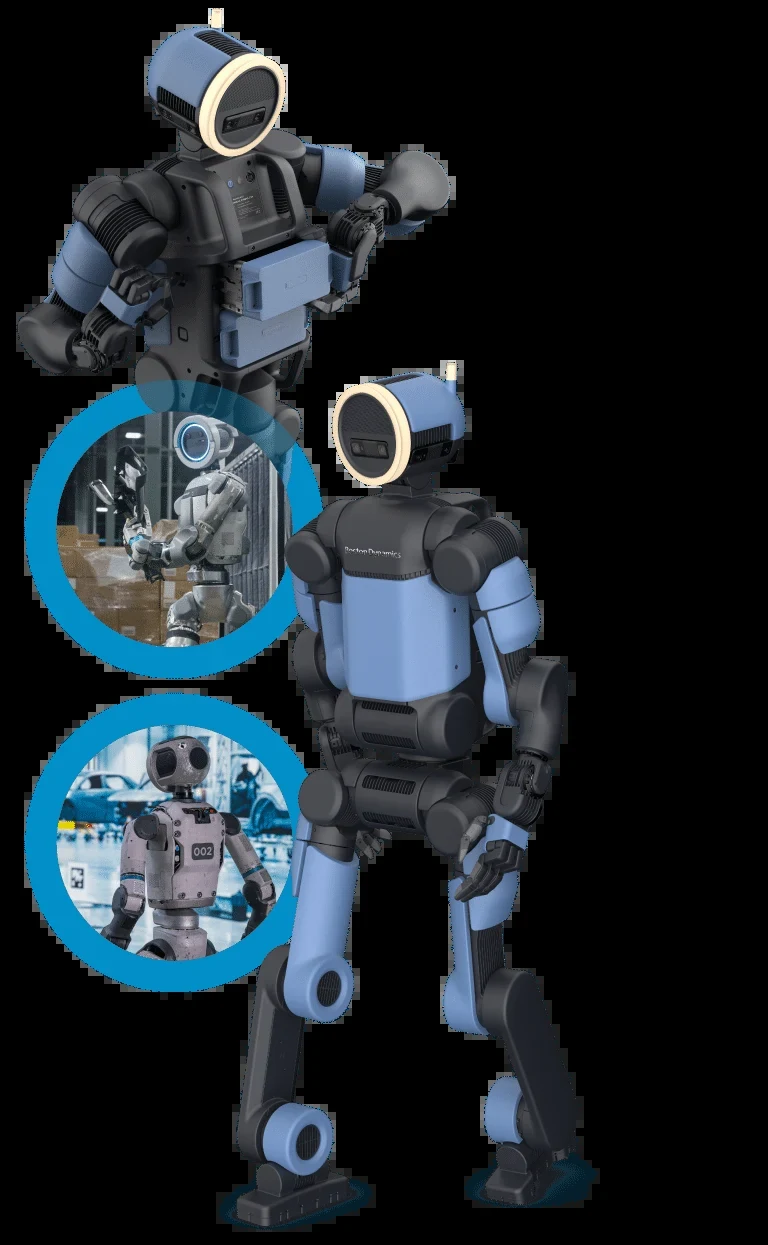
Boston Dynamics has shown the electric Atlas performing industrial handling research. Large-scale Atlas deployment has not yet been reported.
Factories expose shifted fixtures, part variation, people in the workspace and fixed production targets. Those conditions show whether a humanoid can keep working through a full shift.
What to watch next
Watch for a disclosed Atlas fleet size inside Hyundai plants plus cycle time, human interventions, battery strategy and maintenance intervals.
A future IPO filing would add audited data on robot shipments, revenue, losses and capital spending.
Limitations and missing information
- The 2029 to 2030 timing is an analyst view reported by Reuters rather than a company commitment.
- Public Atlas videos do not establish full-shift factory reliability.
Conclusion
The next useful evidence is repeated Atlas operation inside production sites with disclosed task definitions and intervention counts.
Sources and methodology
Share this article
Share the current TechniaHQRobot article page.
Continue reading
Open the latest robotics reporting, Physical AI analysis and hardware notes.