
Maxinsights Reports 2 Million Hours of Human Experience Data
A large collection needs a useful mix of tasks and a way to measure what a robot learns from it.
By TechniaHQRobot
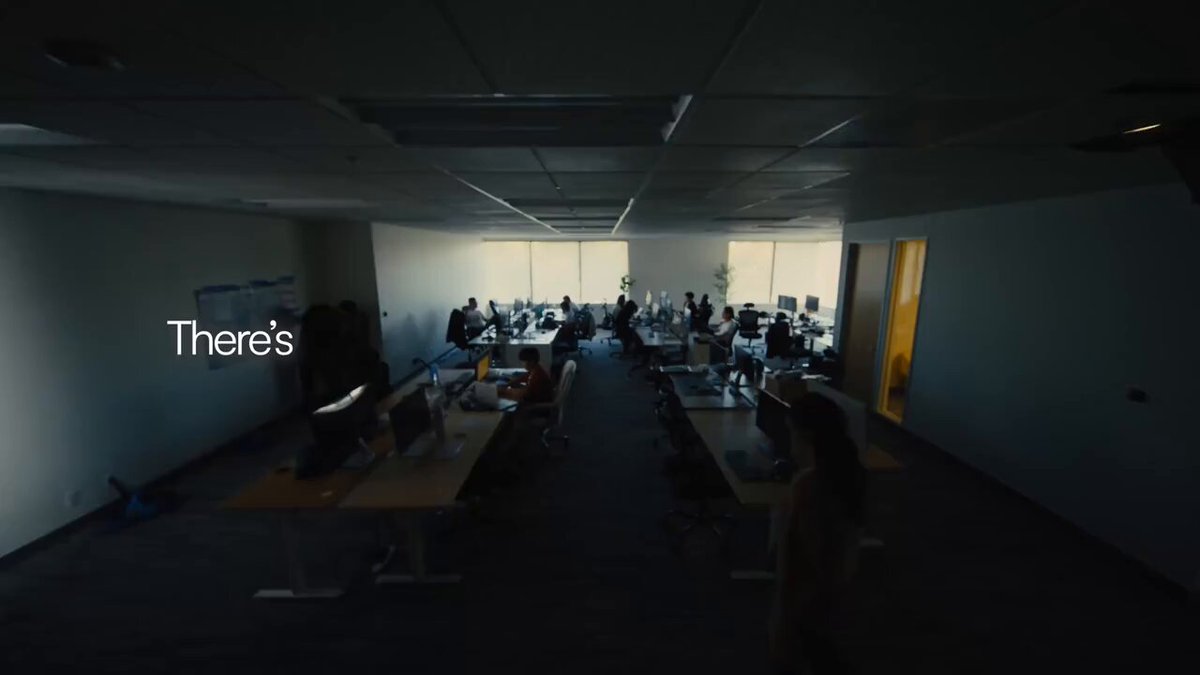
Maxinsights says it has recorded 2 million hours of egocentric human experience. The figure gives the scale of collection. To judge its value for robot learning, we also need to know which tasks, objects, contacts and recovery attempts those hours contain.
Maxinsights reports 2 million recorded hours of human experience.
Its site describes outputs including hand pose, object tracking, depth and contact signals.
The reported collection size does not provide a robot task success rate.
Original X post
Open on XLoading the full X post…
What the company reported
In its September 21 post, Maxinsights argues that equal recording durations can contain very different amounts of useful physical information. Its website also describes a collection process that pairs video with structured signals about motion, objects and contact. These are company descriptions of its data operation.
The distinction is useful when comparing collections. An hour spent repeating the same reach can provide many examples of that reach. An hour involving different tools and contact changes can cover other parts of a task. Neither duration tells us how many examples are usable after filtering.
Count the situations inside each recording
I keep coming back to the change in contact. A hand approaching a tool, closing around it and using it against a surface passes through different physical conditions. A count of recorded hours does not show how often each condition appears.
For a practical dataset review, I would request a breakdown by task, object and environment. I would also count attempts that include a missed grasp, a repositioned hand or a retry. Those categories help describe the range of experience without assuming that every frame contributes equally to learning.
Technical details
- Company
- Maxinsights
- Reported volume
- 2 million hours
- Input
- Egocentric human experience
- Evaluation question
- What changes in robot performance after training?
Human video still needs a route to robot actions
A useful review should ask which signals were measured, which were estimated and how their timing was checked. For example, a visible hand pose and a contact label need to refer to the same moment. Otherwise, a training sequence may pair an action with the wrong physical event.
The target robot also matters. A human wrist and a robot wrist can have different movement limits. Finger geometry and reach can differ too. A collection can support research while leaving the task of mapping human behavior onto a particular machine unresolved.
Measure the result on held-out tasks
My preferred comparison would train the same policy with two data mixtures, hold the training budget fixed and evaluate it on objects and settings withheld from training. Report completed tasks, retries and human interventions alongside the number of trials.
That experiment would test whether the added variety helped the robot. The linked announcement provides a collection total and a description of data content. It does not establish a controlled improvement in humanoid task performance.
Verification notes
- The 2 million hours are reported by Maxinsights. TechniaHQRobot has not audited the collection.
- The proposed comparison is an editorial test design. No new robot trials were run for this article.
Explore the technical topic
Share this article
Share the current TechniaHQRobot article page.
Sources
By @techniahqrobot
About the publication · Sources and editorial policy · Report a correction