
A Robot Future Needs Evidence Before a Timeline
An opinion on the gap between a future vision and the evidence needed to put dates on it.
By TechniaHQRobot
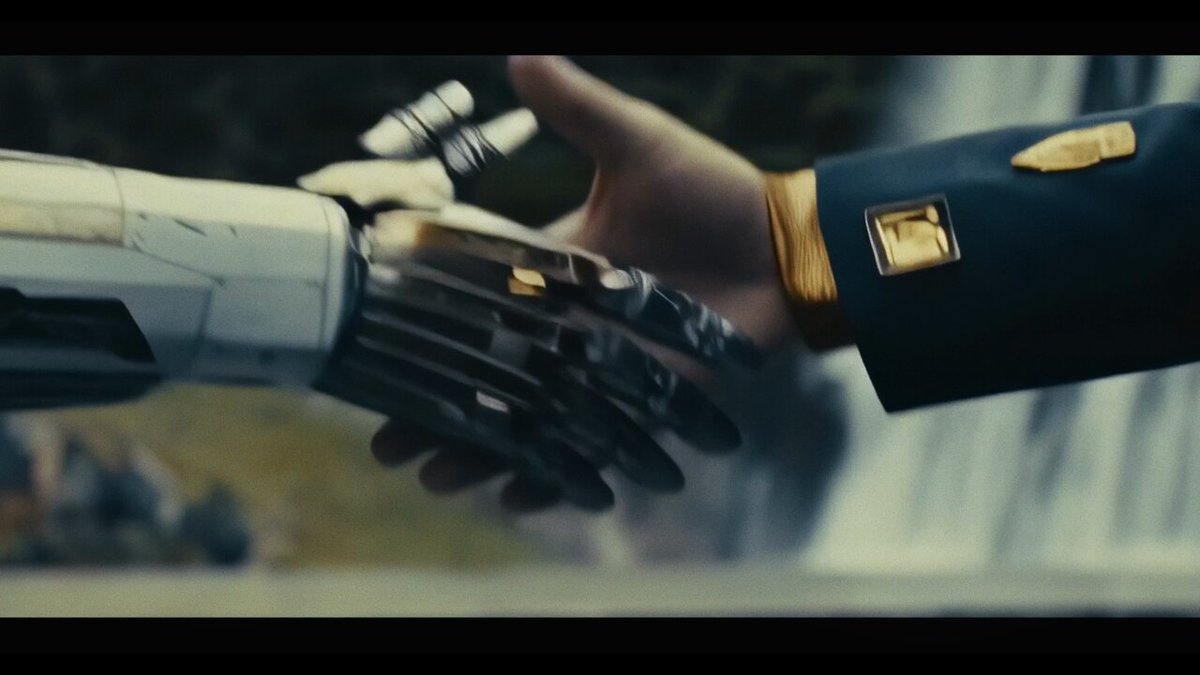
On September 20, TechniaHQRobot responded skeptically to a future-themed video shared by Elon Musk. The response doubted that such a future would arrive within 50 or even 100 years. Those numbers express an opinion. The exchange supplies no measured basis for a delivery date.
The TechniaHQRobot response was posted on September 20, 2026.
It quotes Elon Musk's post sharing a future-themed video.
The linked media traces to Aze Alter's Age of Beyond post from April 1, 2025.
The 50- and 100-year horizons are personal opinions.
Original X post
Open on XLoading the full X post…
Keep the source chain visible
The embedded TechniaHQRobot post responds to Elon Musk, who shared the video with a statement about bringing that future into being. The media link points back to Aze Alter's April 1, 2025 post, titled Age of Beyond.
That source chain gives the discussion its context. The article concerns reactions to a vision of the future. The exchange does not supply a robotics test report or a schedule supported by engineering results.
A century is still a prediction
The original response expresses a strong doubt about the timeline. Readers should treat that as TechniaHQRobot's opinion at the time of posting. It does not establish a lower bound on how quickly robotics can progress.
My hesitation is with assigning a date before defining the tasks. 'A robot future' can refer to a machine completing one job, many machines working in supervised sites, or robots operating across homes and public spaces. Each claim needs its own description before a timeline can be assessed.
Technical details
- Article type
- Opinion
- Discussion date
- September 20, 2026
- Original video post
- Aze Alter, April 1, 2025
- Measured arrival date
- None established by the exchange
Break the vision into tasks that can be measured
A practical review could start with one job in one setting. Specify the objects, the required outcome and the amount of human help allowed. Count all attempts, then record completed tasks, intervention time and recovery after an error.
Next, change the setting. Move the objects, introduce a new layout and repeat the evaluation. Keeping those conditions visible would show how far the result travels beyond the original setup.
Running time and maintenance deserve the same treatment. An operating report should state how long the machine worked, when it stopped and what people had to do to return it to service. These are proposed measures for evaluating a claim, not results attributed to the video.
Use new evidence to revise the view
Progress on a defined task can be assessed as new results arrive. A forecast about society needs a stated scope, assumptions and evidence about many deployments. The distance between those claims should remain visible.
I would update my judgment around documented task completion, fewer interventions and sustained operation. A visual forecast can start that conversation. The linked posts do not tell us whether its scenes will arrive in 50 years, 100 years or on another timetable.
Verification notes
- This is an opinion article. The 50- and 100-year statements are not technical forecasts.
- No hardware specifications, autonomy level or deployment result are inferred from the future-themed video.
Explore the technical topic
Share this article
Share the current TechniaHQRobot article page.
Sources
By @techniahqrobot
About the publication · Sources and editorial policy · Report a correction